How we do it
Real differences, matter and time
This is not about a “look”: it changes how the photograph is born, what remains, and what kind of object it becomes.
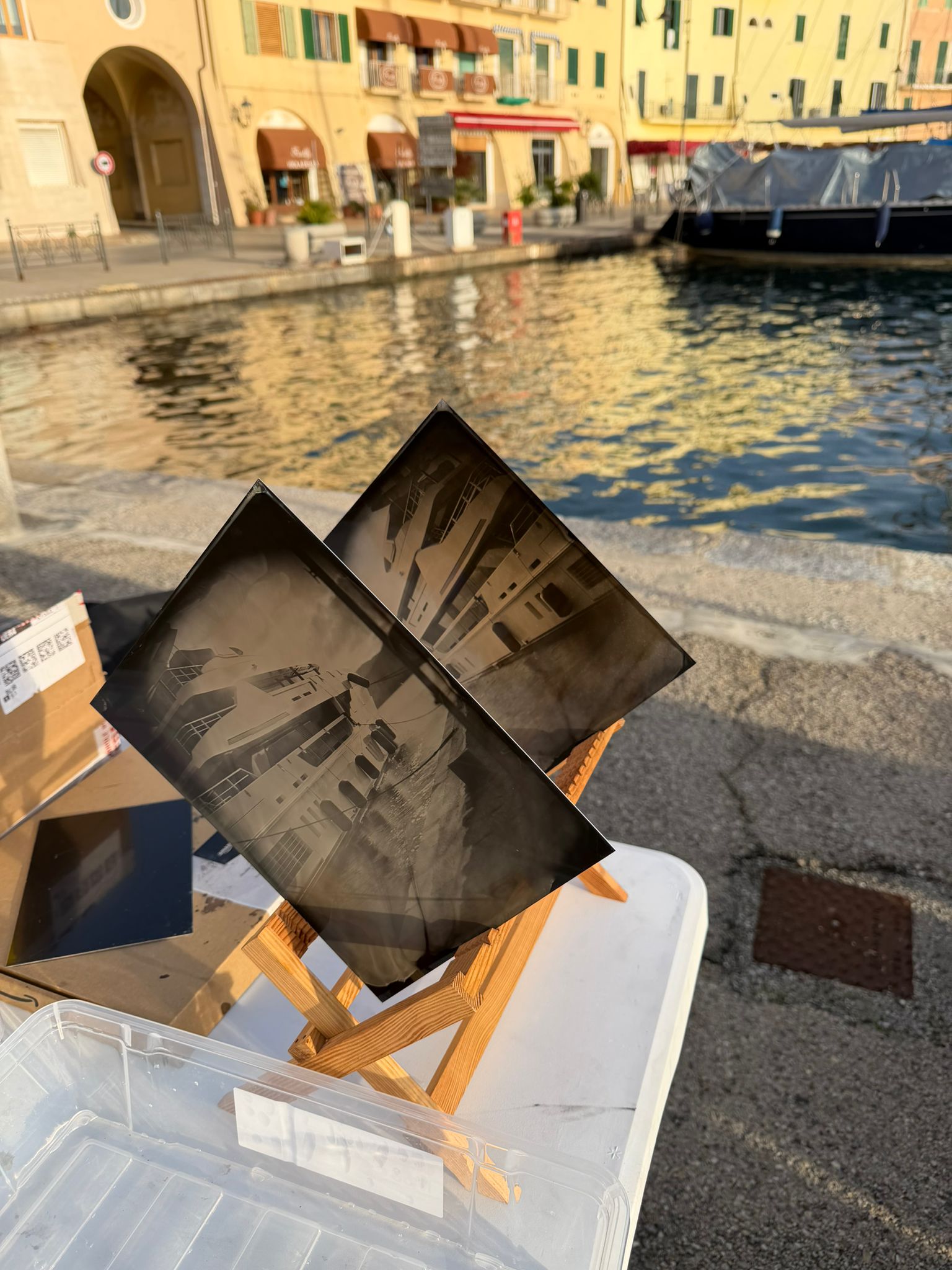
Wet plate collodion: tintype and ambrotype
The plate is prepared, sensitized, exposed and developed within a short time window. It is photography as ritual: gesture, chemistry and decision.
The difference between tintype and ambrotype is the support: metal or glass. In both cases the result is one of a kind, with marks and imperfections that tell how it was made.
It is a physical language: depth, micro-contrast and edges are not effects. They are matter that carries memory.
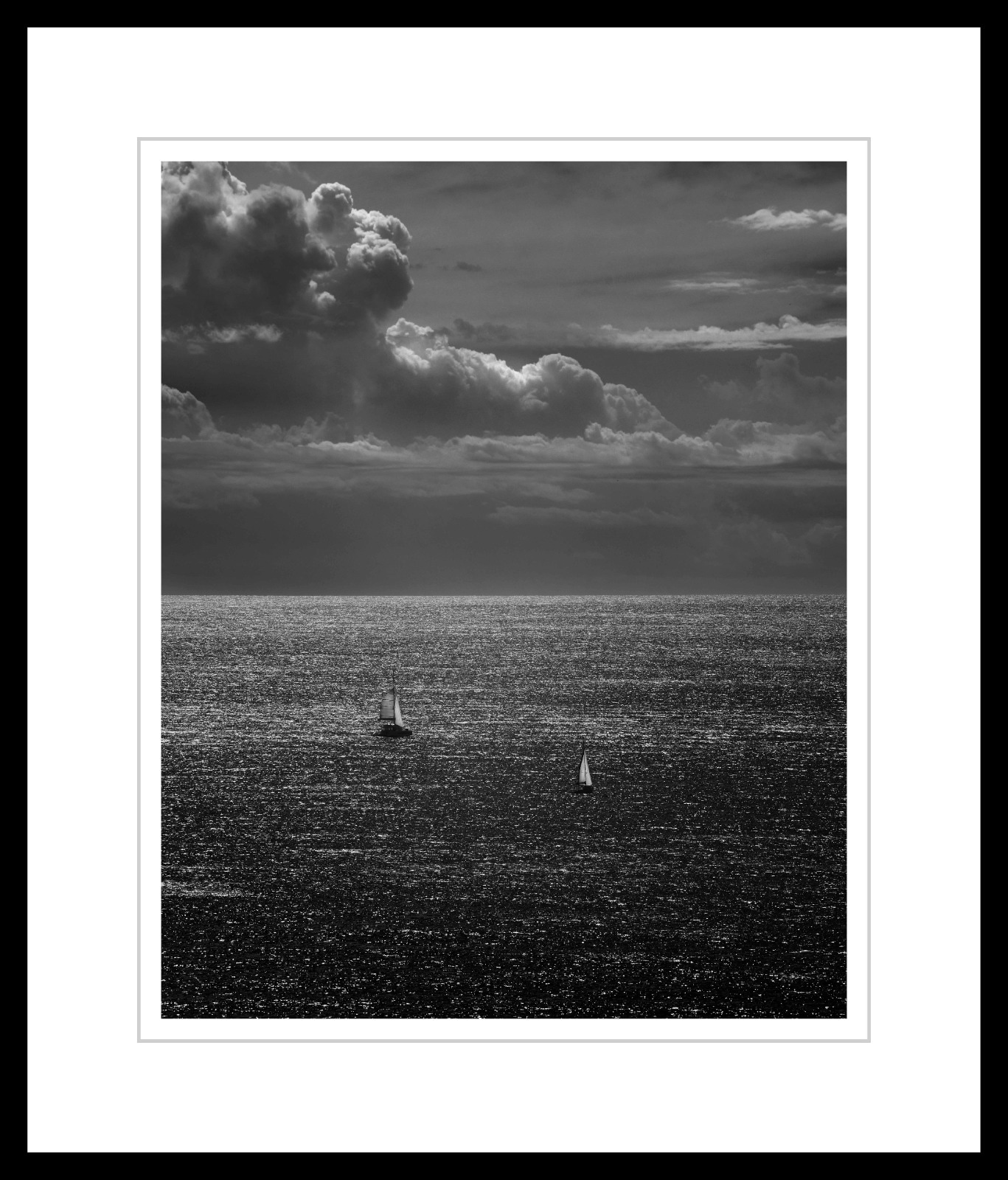
Film
Film introduces grain, micro-variation and an organic response to light. Highlight to shadow transitions often become softer and deeper.
Here capture decisions matter: exposure, lens, light quality and development. Every frame is a choice.
The result carries character. Small imperfections become part of the story and make the image less sterile and more human.
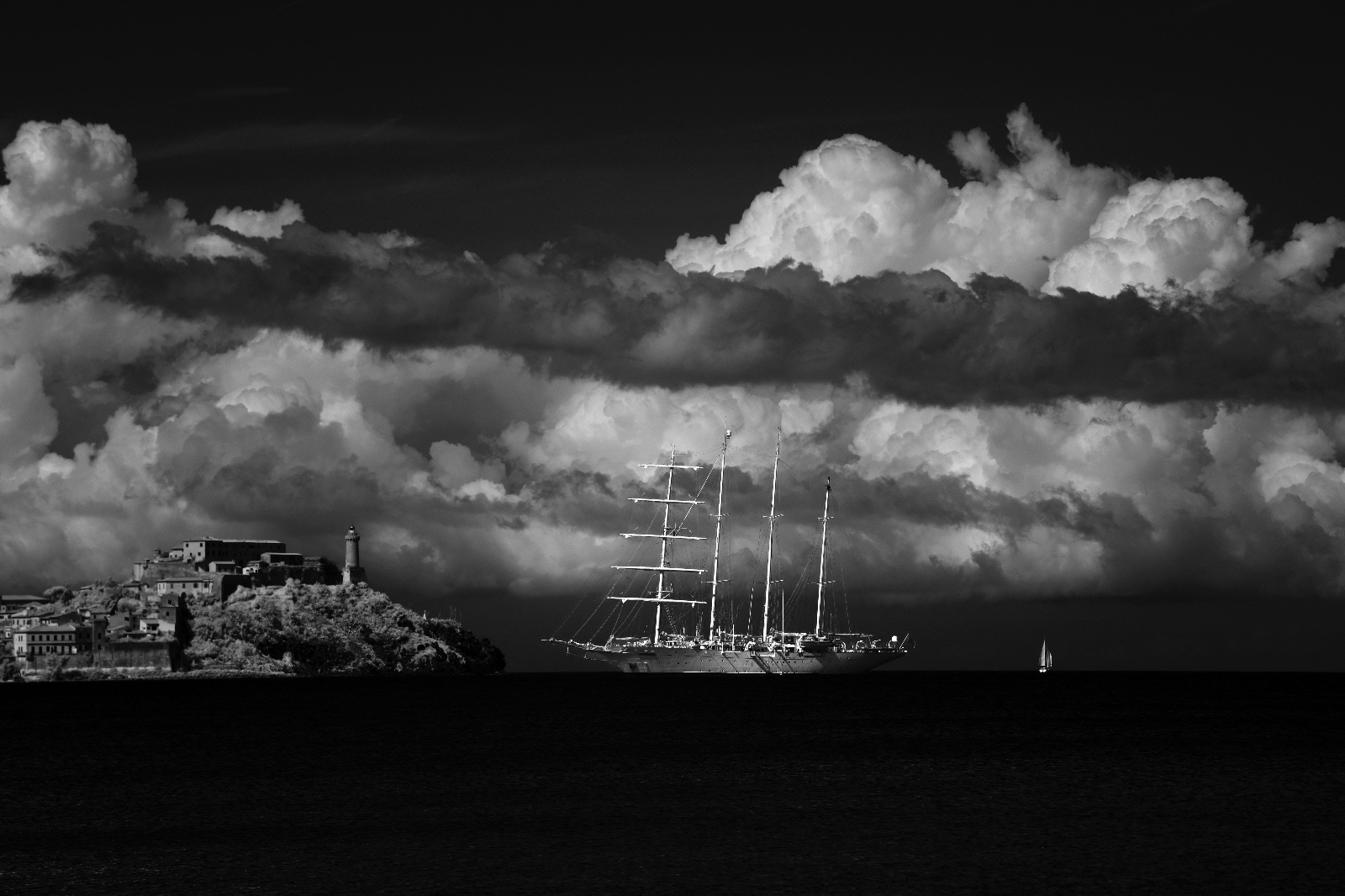
Digital infrared
Infrared reveals a part of light that is normally invisible. Surfaces and atmospheres shift in hierarchy, as if the world had another skin.
It is a controllable, repeatable process, useful when consistency across images and series is needed. Fine art printing defines texture and permanence.
It is not an “effect”: it is a choice of gaze. A way of reading that transforms the subject without betraying it.